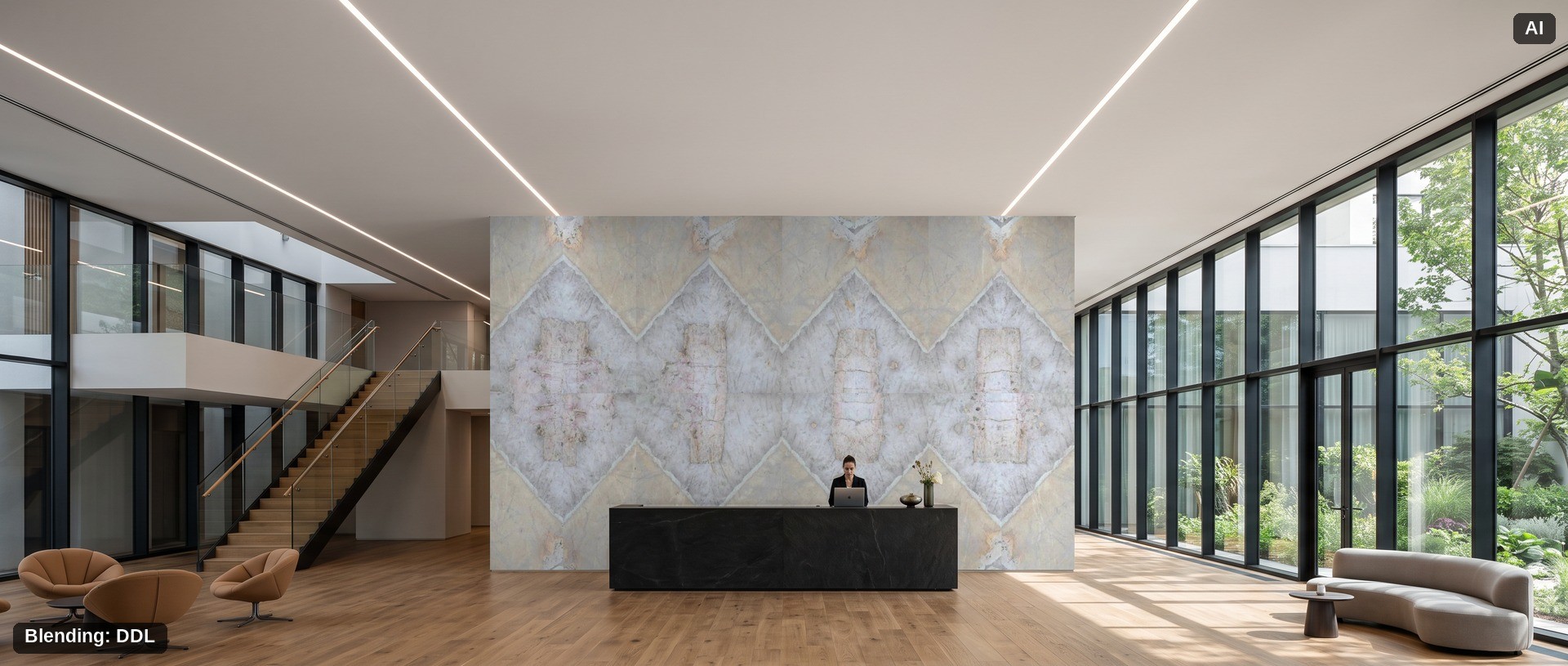
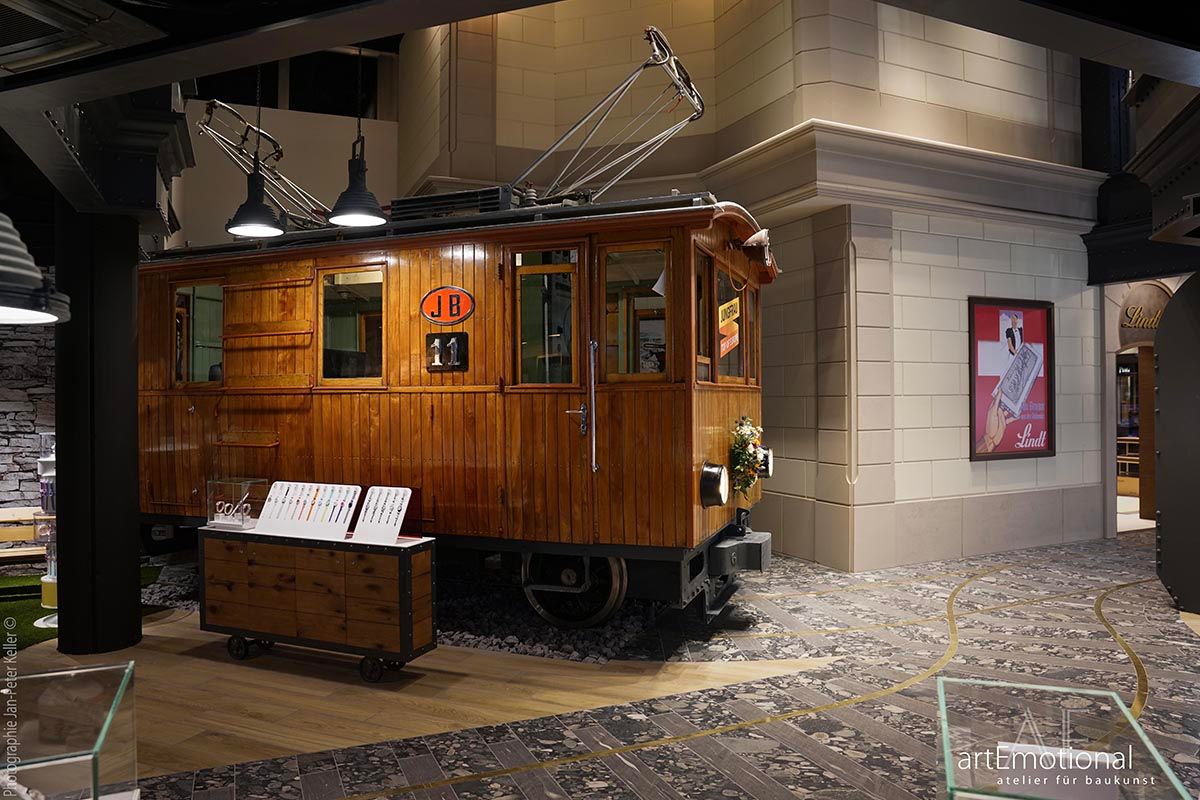
We're pros at Vein-Match. Then an architect asked for Grain-Match.
Vein-Match in natural stone is our daily work. Then an architect wanted the same for wood: Grain-Match. For our tool, it turned out to be the same job.
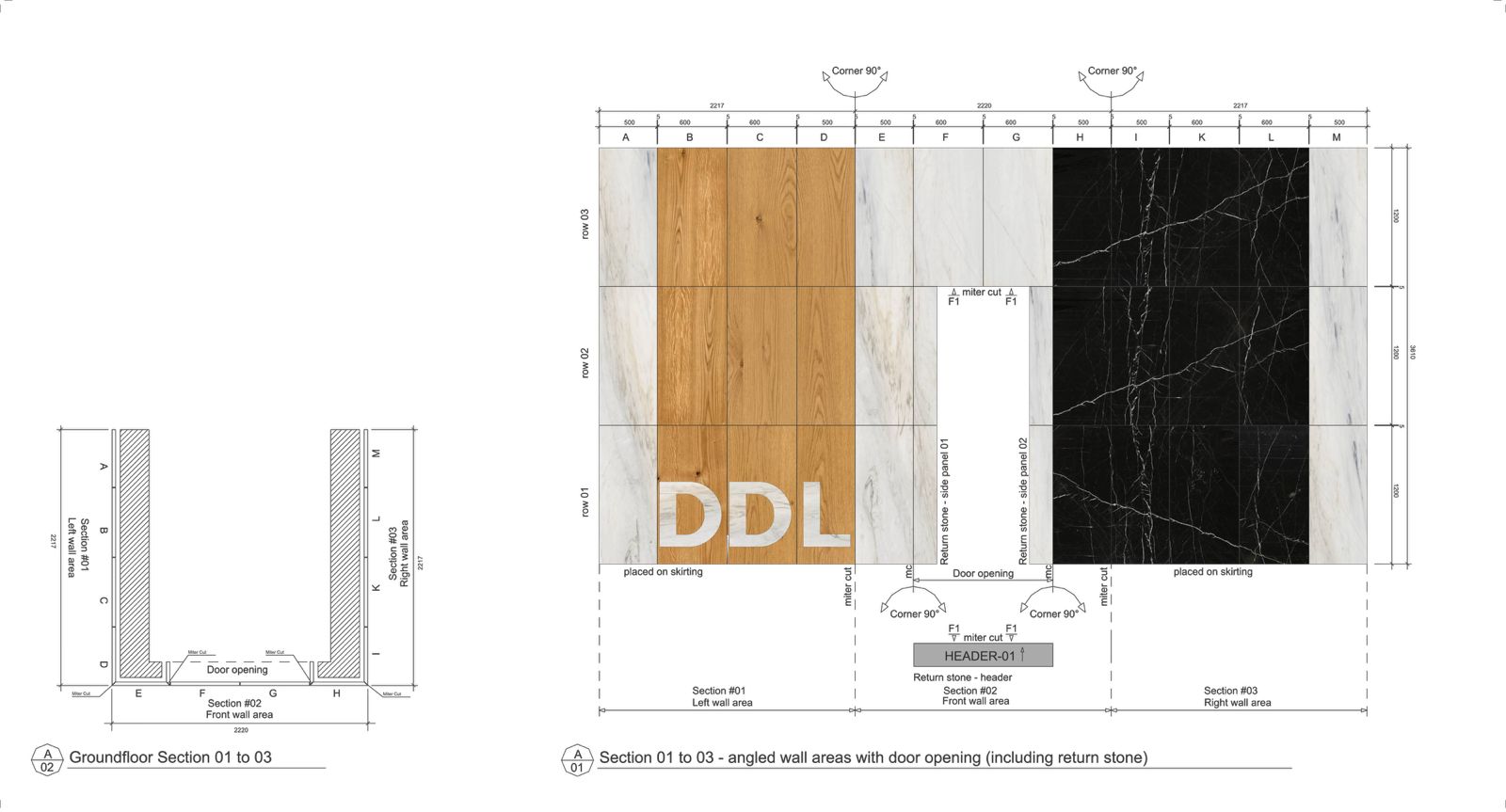
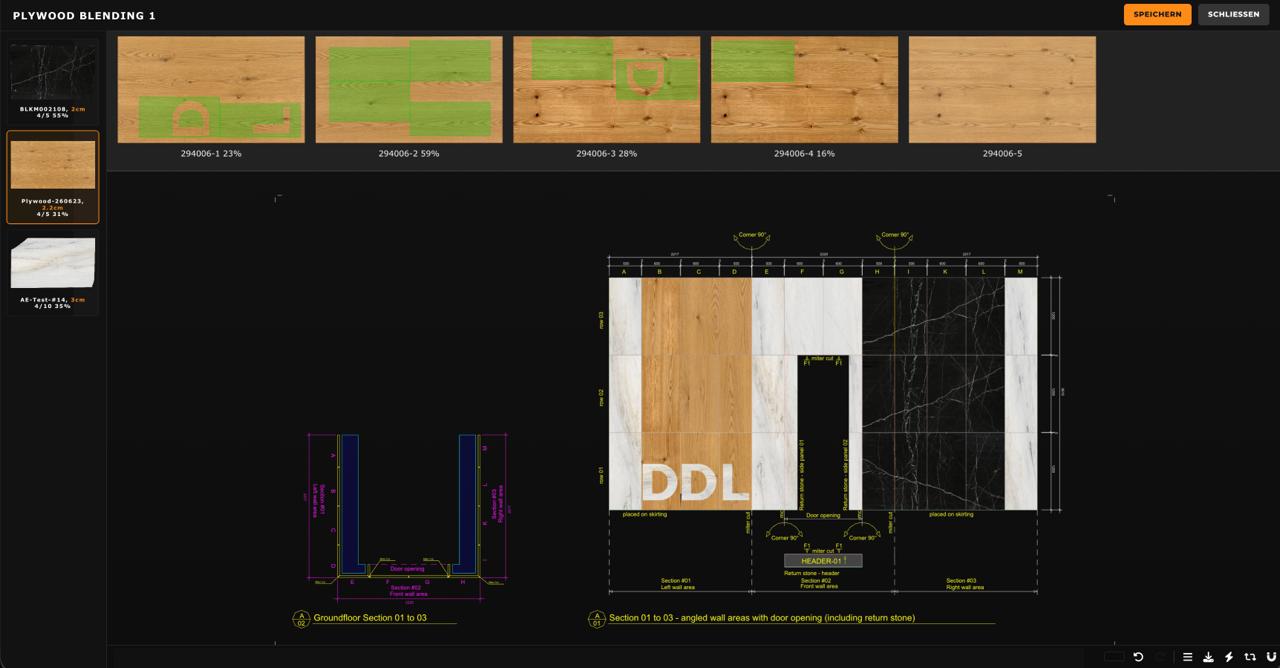
Wood and marble on one wall, planned in DDL: oak on the left (Grain-Match), marble in the center and right (Vein-Match): grain and veining deliberately run through. DDL demo layout.
We specialize in natural stone. For years, everything here has revolved around slabs, blocks, and one question: how does the veining run across the surface before the first cut is made? That's what we call Vein-Match: laying the veins so they flow continuously across the entire surface.
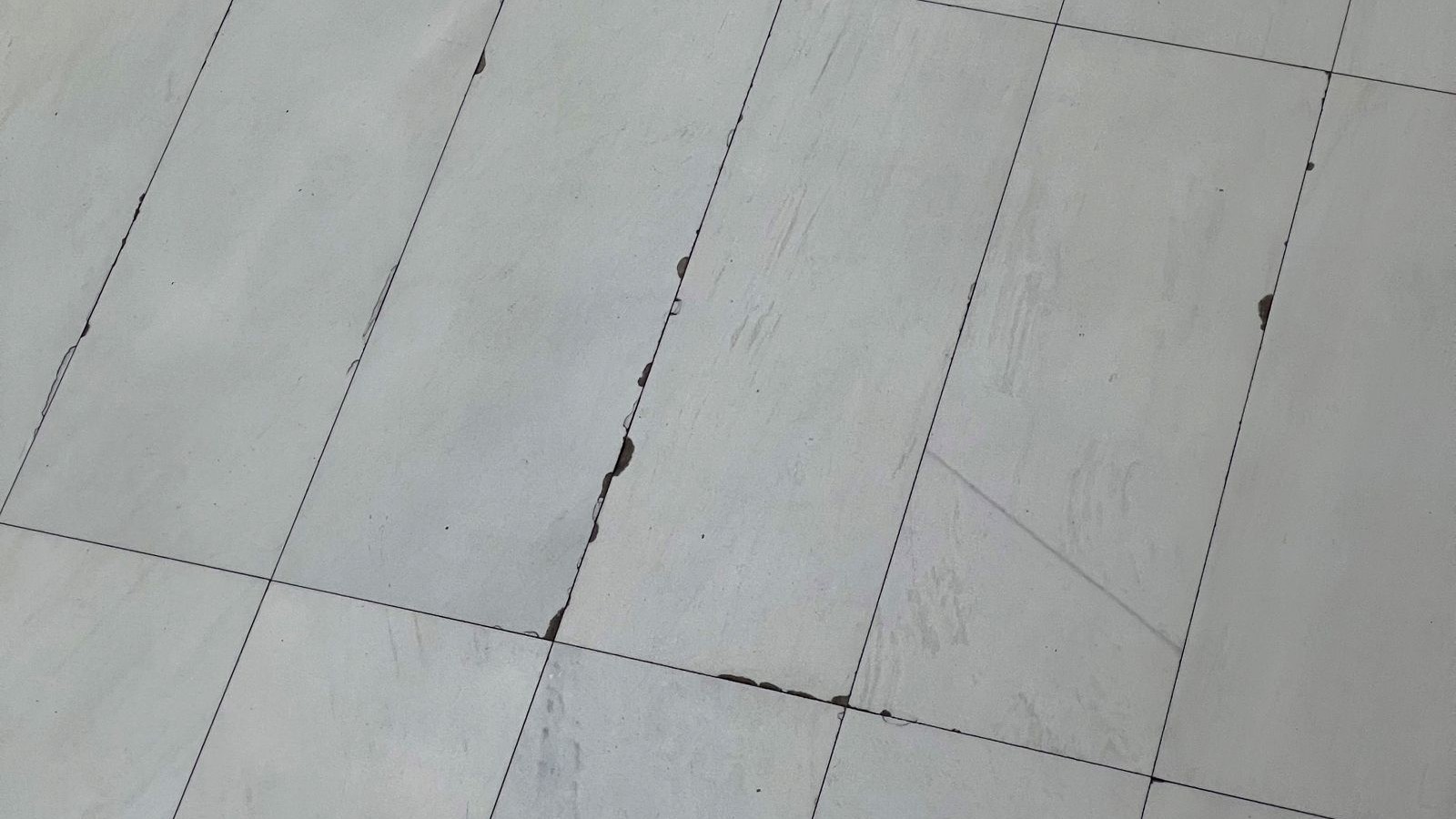
But it's about more than the veins. We pay just as much attention to avoiding a checkerboard: making sure the lighter and darker background tones of the slabs blend gently into one another instead of clashing like a chessboard. Only when veining and tone work together does a surface feel truly harmonious.
And then an architect asked for Grain-Match.
He was planning a wall of large-format veneer panels and wanted to know whether what we do with stone veins, we could also do with the grain of wood. Almost at the same time, the same question came from a completely different direction: a large flooring manufacturer, just with wood planks instead of panels.
We simply tested it
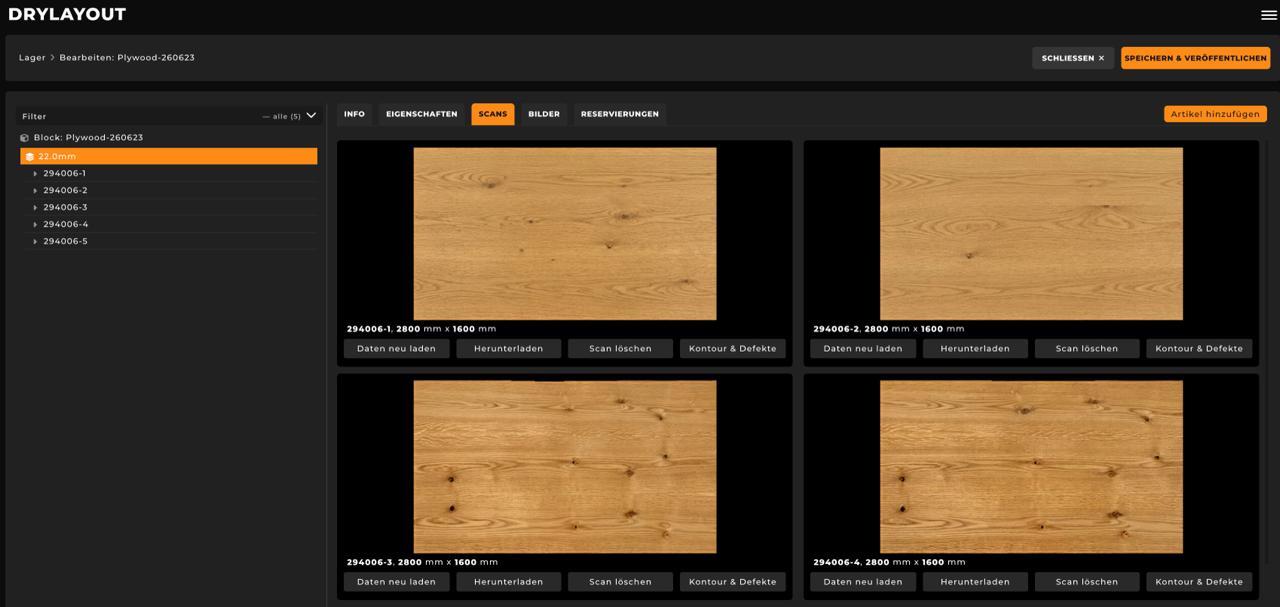
We had never done anything like it before, but at heart it was clear to us: what works with stone works with wood too. The principle is the same. So we loaded wood and plywood material into our system and treated it exactly like stone.
The result didn't surprise us; it confirmed what we'd thought from the first moment: for our tool, it makes no difference whether it's a piece of marble, an oak plank, or a fine veneer panel.
It's never about the material, but about design and harmony
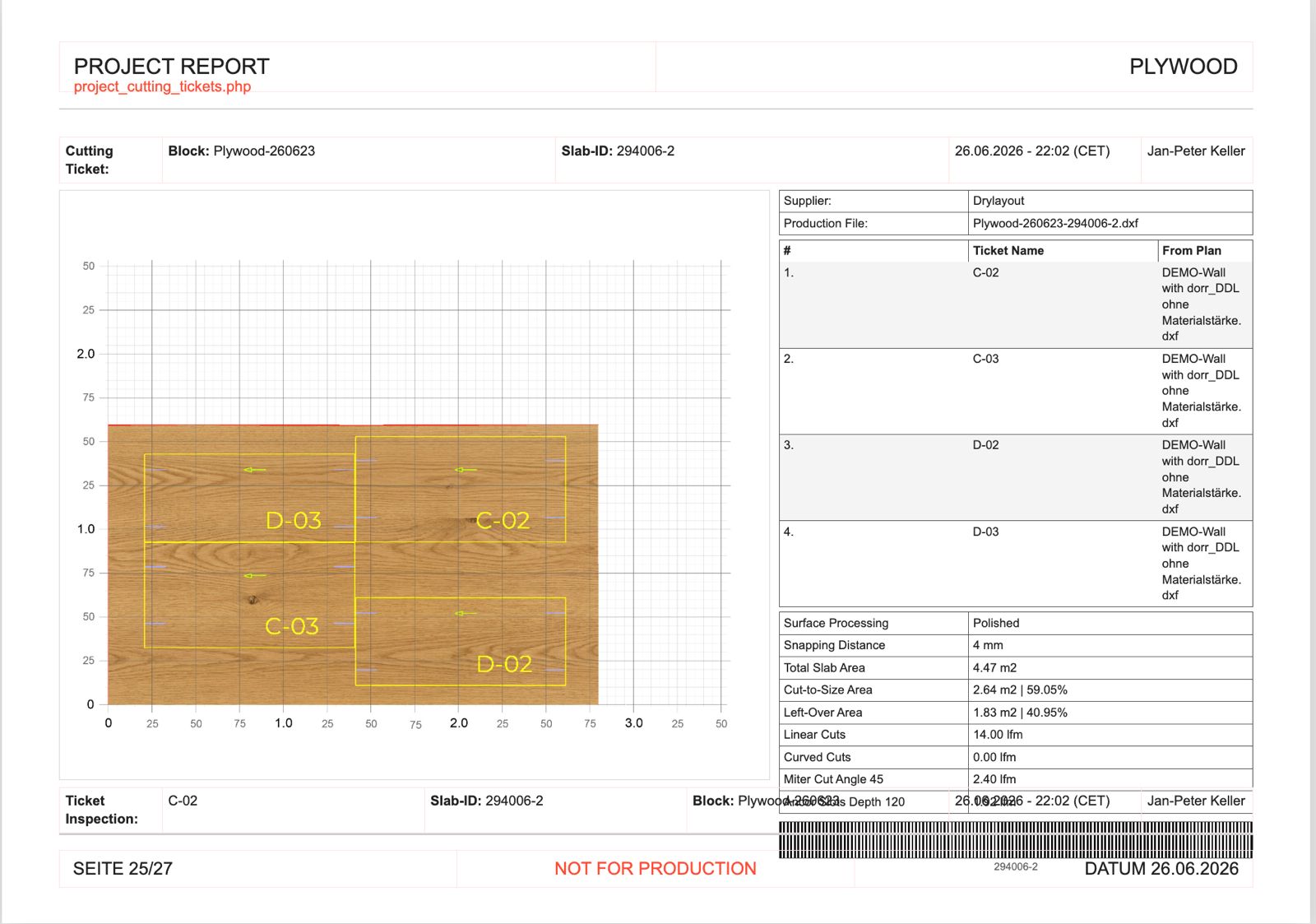
The starting point is always the same: well-digitized materials. You photograph the real slabs or panels, upload them, and place them in the plan: and from there it's the same workflow as with natural stone: digital layout, waste optimization, cut assignment, finished DXF cutting data for the machine.
With our platform, the result is independent of the material: it's not about the stone or the wood, but about design, spatial effect, and harmony. Whether Vein-Match in marble or Grain-Match in wood, a vein, a grain, the veneer figure of a fine wood panel are natural patterns that are placed deliberately before cutting. Because in fine panels, a wafer-thin real-wood veneer forms the visible surface: only about a millimeter thick, sliced from the log. It's exactly this veneer figure that can be carried across the entire surface, like a stone vein, and it has nothing to do with cheap plywood. And it's not only about the flow: in the same way, we sort light and dark pieces so the background tones blend gently into one another: no checkerboard, neither in marble nor in wood. Only from both together, a continuous flow and a harmonious tone, does what really matters emerge: a calm, cohesive design that works in the space. Plan it digitally in advance, and you waste less material and get exactly the look you had in mind.
What this looks like in practice
It's clearest when wood and stone come together on the same wall, like in the image above: oak on the left, light marble with a door opening and return stones in the center, a dark marble on the right. Across all panels, the grain and the veining deliberately run through. For the software it's a single task: to cover a surface with the available slabs or panels so the overall picture works. That's what we call Blending.
What this means for wood and plywood projects
We're not claiming we can suddenly do everything. We are and remain stone people. But the thinking behind our Dry Layout isn't tied to stone, and that's exactly what makes it interesting for other materials.
If you work with wood, plywood, or other panel materials and know the same problem, the surface has to work, the grain has to run through, the waste has to come down, then it's worth a conversation. The software can be rented and support added on, or we take on the planning as a service for the project.
What a tool is really good for
Sometimes you only realize what a tool is really good for when someone asks a question you'd never have thought of yourself. Two requests showed us that our Dry Layout doesn't end at stone: it works anywhere a natural pattern and a clean background flow need to be shaped deliberately and under control before the first cut is made: to optimize waste and, in the end, get the better result with confidence.