Natural Stone Facades: Planning for Longevity
A properly planned natural stone facade withstands generations. Longevity is not a given — it begins with the material, with the planning, and with factors explored in this article.
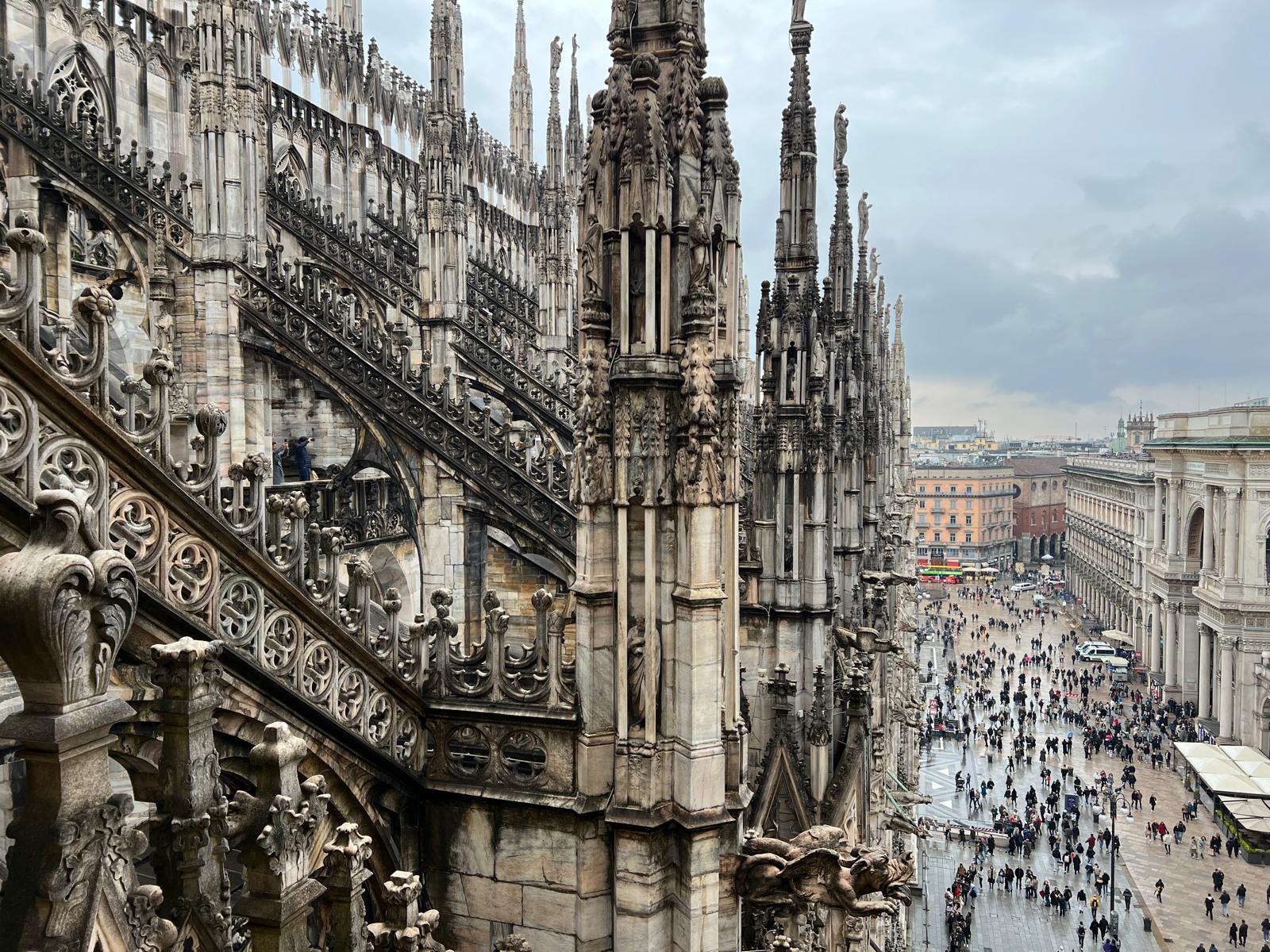
Milan Cathedral: natural stone as a load-bearing structure — centuries before modern facade systems.
Natural stone — built by nature to last
Natural stone is a naturally formed building material that has been used by humans for construction for thousands of years. As a natural resource, it has proven itself across world-famous structures — from the pyramids to city walls to the massive exterior cladding of churches and cathedrals. What nature created over millions of years has withstood the elements for centuries. The only thing humans do with this naturally given raw material: process it, transport it, and install it in buildings.
With modern building materials and production methods, a wide range of possibilities for facade design has emerged. The life expectancies of these facades differ considerably: metal facades last 30 to 50 years, glass facades fall in a similar range, brick masonry as a classic reaches 50 years and more. For all facade types, the construction and detailed assembly are decisive for service life.
Natural stone naturally performs better here — as a material that is not industrially manufactured but extracted from nature. Granite is the classic choice for high-rise facades because its resilience has always lent itself to this purpose. Marble was already used by the Greeks and Romans in temple construction. Limestone has always played a central role in architectural history. Current findings confirm an above-average service life for natural stone facades when properly constructed.
Historically, natural stone facades were built from large blocks erected as load-bearing structures. Over the centuries, technologies evolved toward the use of larger stone slabs in buildings as wall cladding. Modern cutting technologies and changed construction methods made it possible to reduce material thickness to 20 to 50 millimeters — which enabled the construction of high-rise facades specifically with natural stone. This development was in some cases accompanied by damage patterns from which the industry learned a great deal. Facade systems were adapted, tests conducted, new insights gained. Longevity today is not necessarily determined by the material itself, but by the construction in relation to the thermal and cyclic loads on the facade.
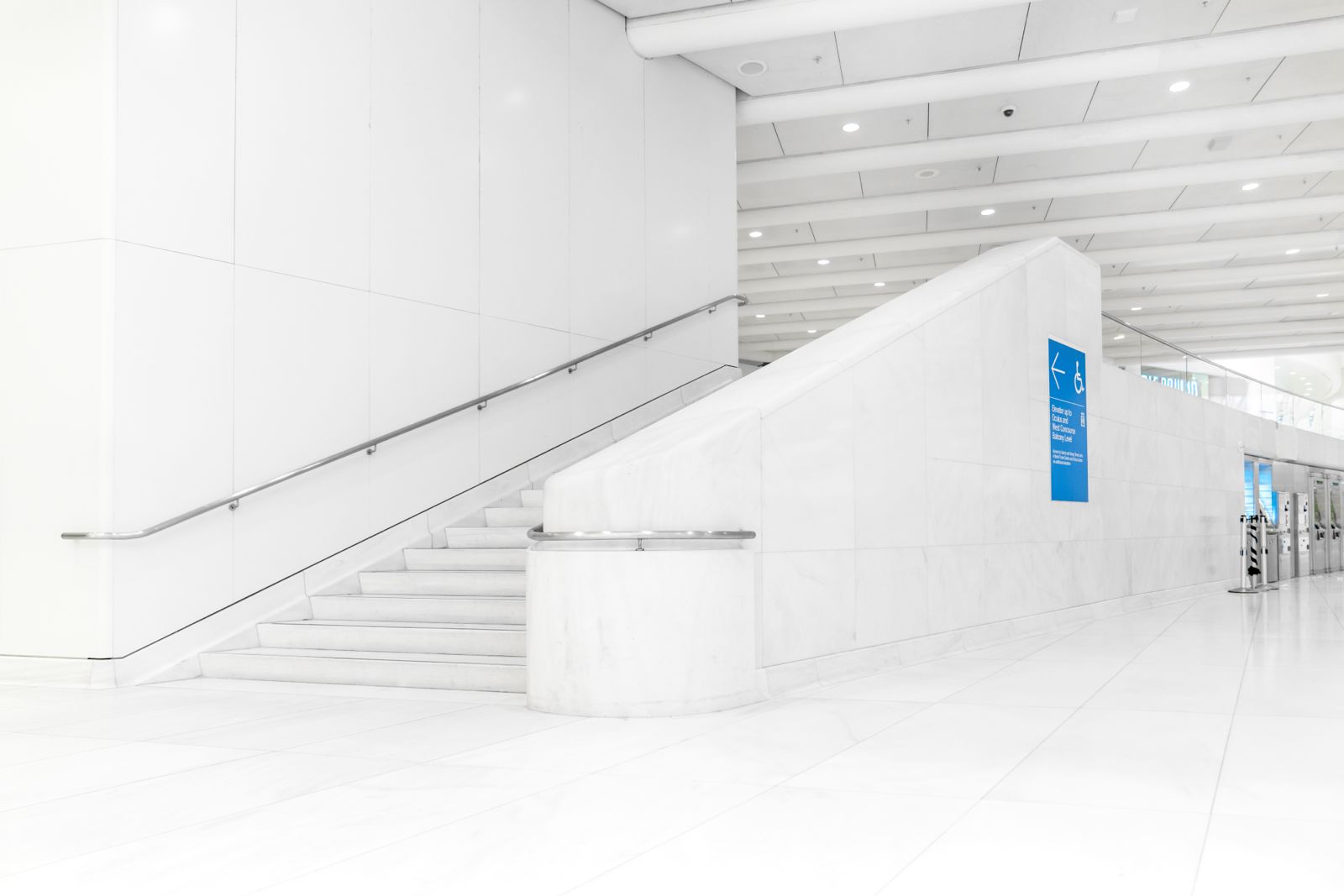
Three factors that determine service life
Material and location
Water absorption, frost resistance, and solar resistance determine the suitability of a natural stone at a specific location. In higher latitudes, granite and basalt have traditionally been preferred — their low water absorption and high frost resistance make them the safe choice there. Limestone and sandstone with their somewhat more porous properties are traditionally found in mid-range, warmer latitudes. Marble exhibits a very wide range of water absorption — Lasa marble, for example, with its low water absorption is considered frost-resistant and brings the material prerequisites for facades. As a general rule, the material selection by an architect should be reviewed by a Stone Consultant — a stone expert — for the specific location. An assessment or directional recommendation helps to avoid selecting an unsuitable material from the outset. Beyond the stone type itself, exposure plays a role: is the stone recessed, does it have rain protection, or is it fully exposed to the elements?
Construction and ventilation
There are various construction types and facade suspension systems for natural stone. In Europe, DIN 18516-3 governs the requirements for ventilated curtain wall facades. For the American market, ASTM C1242 is the relevant standard — the standard for selection, design, and installation of natural stone anchoring systems. In modern facades, the ventilated construction has become established: the stone slabs are mounted via an anchoring system in front of thermal insulation, with a ventilation gap in between. This gap removes moisture, prevents water accumulation, and protects the stone from differential stress — dry on the front, moist on the back leads to long-term damage. Which suspension system is best suited for the chosen material depends on the specific building project: building height, wind loads, dead weight of the slabs. The decision takes into account construction costs, longevity, ease of installation, and the required structural calculations.
Anchoring and tolerance
Natural stone is a natural product with inherent and production-related tolerances — each slab has slight dimensional deviations. The relevant DIN standards regulate the permissible tolerances. Anchoring systems must accommodate these deviations without placing the slab under mechanical stress. Long-term mechanical loading or its repeated occurrence can lead to fracture and, in the worst case, to parts falling off. During design, all load cases must be calculated: wind pressure and wind suction, dead weight of the slabs, and vibrations. The most common cause of damage in natural stone facades is poorly executed construction — both in terms of anchoring and ventilation.
Why every natural stone facade requires individual planning
The critical planning error lies not in the material selection itself, but in the technical planning for the selected material. Every natural stone reacts differently on a facade — to freeze-thaw cycles, solar radiation, and moisture. Before detailing begins, a fundamental question arises: does the planner have the freedom to choose the material freely? Or do building height, location, and weather conditions already restrict the material choice to the point where only certain stone types are viable?
Once the material is determined, the detailing must correspond to the material. This involves the facade and element layout, element transitions, corner details, the design of window reveals, and the attic — particularly the question of how permanent water ingress prevention is achieved in the attic area. These are not standard solutions but engineering services that must be individually planned for each project.
Clean planning and engineering therefore have a central significance: they prevent long-term damage patterns on the facade. The most well-known types of damage are impact fracture — the breaking of facade slabs due to restraint stresses in the anchoring —, surface discoloration, and in the case of marble, the bowing effect. Specialized technical literature exists for each type of damage.
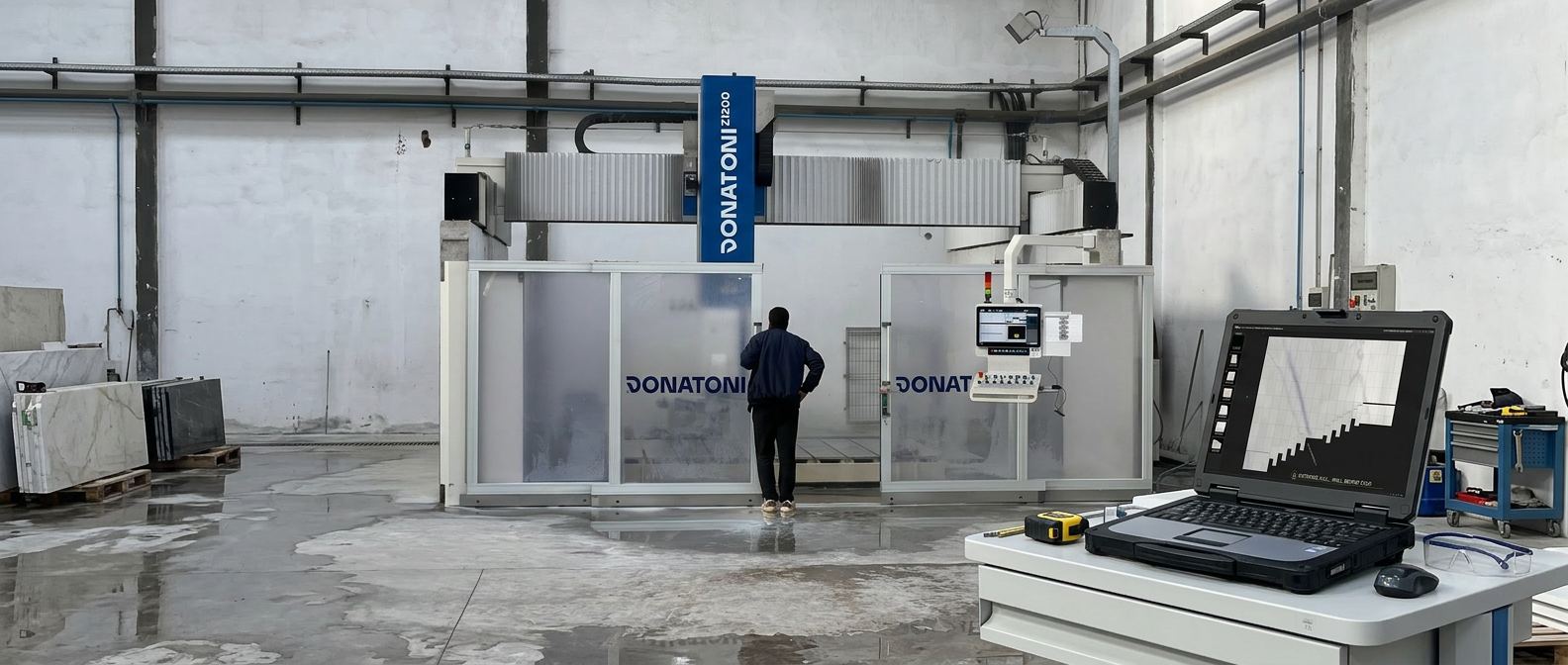
Through digitalization, it is now possible to draw and design facades in 3D for the entire building. Manufacturers of anchoring systems already work with three-dimensional models as standard. Based on these drawings, material lists are compiled and production is initiated. This is precisely where digitalization also begins at the stone producer: through platforms like DDL (Digital Dry Layout), it is now possible to display every raw slab in a digital dry layout with millimeter precision in its absolute dimensions and to overlay it onto the facade plan before cutting. Modern testing methods also make it possible to test every individual slab for its physical properties — to rule out material failure over the long term. The renovation of the Finlandia Hall in Helsinki and other projects by Lasa Marmo demonstrate the importance of elaborate per-stone processes. A digital platform makes a decisive contribution here: all data on every installed stone is retained in the system long-term. When changes occur, it is possible to trace precisely which group a stone came from, whether other stones from the same group are installed in the facade, and whether their exposure — such as different weathering — requires targeted monitoring.
Digital facade planning
Digital platforms like DDL (Digital Dry Layout) consolidate the decisive steps in facade planning: the positioning of every slab before cutting — with millimeter precision and in the visual context of the overall facade. The recording of technical test values for each individual slab across the various testing stages — stored per slab in the background. The archiving of all information per installed element for long-term revision. And the ability, when damage patterns emerge, to identify precisely which parts share the same properties — in order to revise or monitor them proactively before further damage occurs.
Learn moreAvoiding planning errors that cost longevity
Material selection without site analysis
A fundamental distinction must be made between interior and exterior applications. For exterior facades, a site analysis is indispensable: frost exposure, de-icing salt effects, exposure, and local weather conditions determine whether the desired stone is even viable. As a rule, stone producers provide technical data on water absorption and frost resistance. Different criteria apply for interior use: for flooring, abrasion resistance is the decisive factor — a factor that historical church floors with their visible depressions at the thresholds illustrate across centuries. On the ground floor, walls are exposed to higher temperature fluctuations through access points to the outside — cold air flows in, warm air pushes against it. In lobbies, air curtains create concentrated thermal loads in specific areas. Material selection without a thorough site analysis leads to a stone being installed that is not suited for the specific application.
Constructive errors in ventilation
Ventilation is critical to the service life of a natural stone facade. The problem is rarely that it is completely absent — more often, the ventilation is not executed consistently throughout the construction. Local interruptions, incorrect gap dimensions, or blocked air pathways lead to water accumulation and, over time, to frost damage. DIN 18516 in Europe and the ASTM standards for the American market define the constructive requirements. The specifications of facade manufacturers and the standards must be strictly followed — deviations shorten the service life of the entire facade.
Choosing the wrong facade system
The facade industry offers specialized anchoring systems for natural stone facades. The selection must be appropriate for both the stone and the building. The desire to reduce construction costs in the short term must not lead to choosing an unsuitable system — because long-term damage from the wrong system always costs more than the savings during installation. The facade system must be carefully evaluated and technically reviewed by experts before it goes into construction.
Why natural stone on the facade — and what follows
Natural stone is chosen for facades for two reasons: aesthetics and sustainability. No other facade material combines a comparable visual impact with such a long service life. This combination makes natural stone attractive for architects and building owners — provided the technical execution does justice to the material.
The material selection must take the location into account. The ventilation must be executed consistently and in compliance with standards throughout. The facade system must suit both the stone and the building. Three decisions that stand at the beginning — and determine the service life of the entire facade.
For architects and planners specifying natural stone on facades, longevity does not begin on the construction site — it begins at the desk.
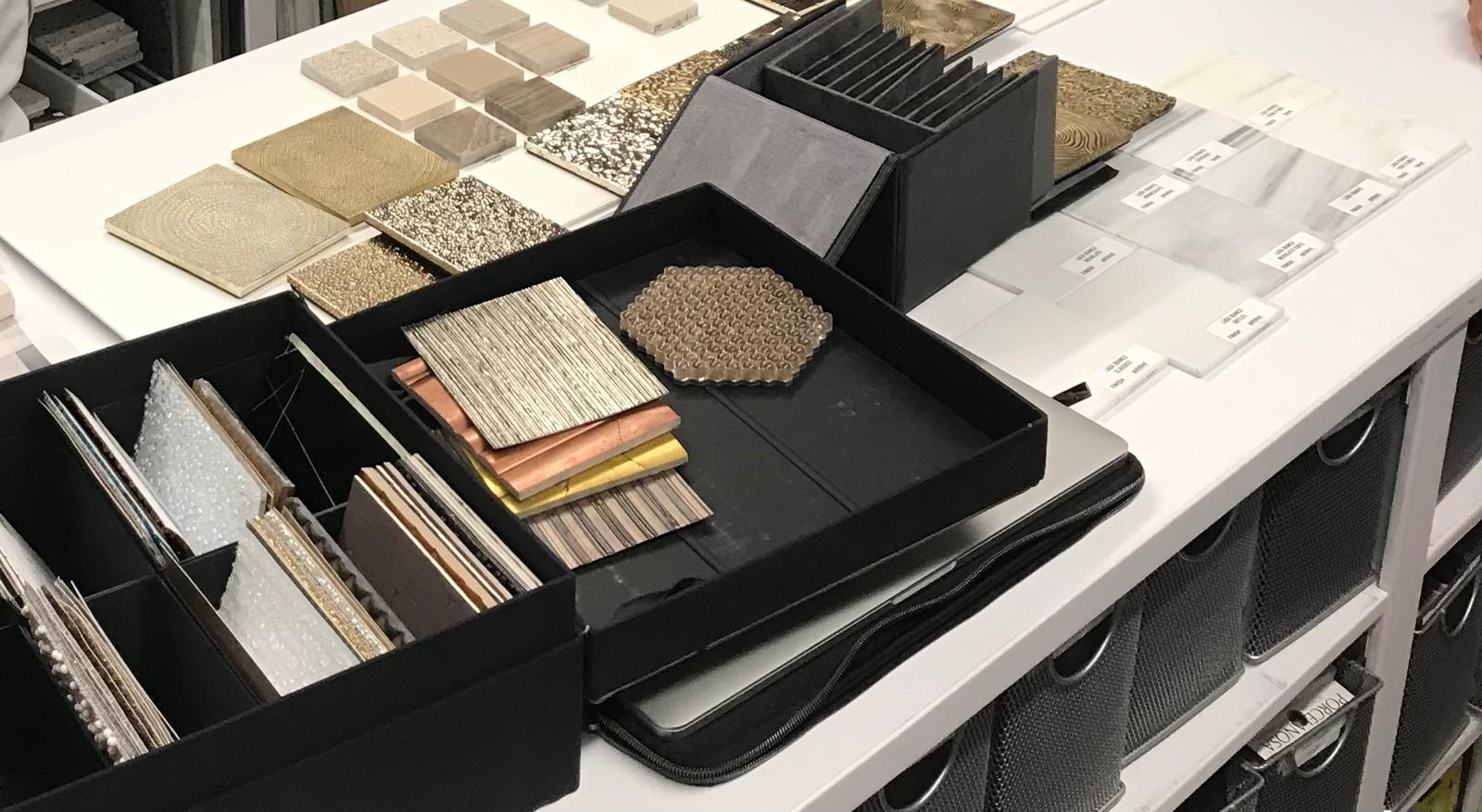
Planning a facade project in natural stone?
From material selection to digital slab layout to facade approval — a conversation with Jan Keller shows how the planning process works.